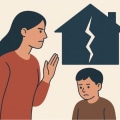
Property dispute law encompasses a wide range of legal issues that arise in the realm of real estate and property ownership. Understanding this area of law is crucial for anyone involved in buying, selling, or managing property, as disputes can lead to significant financial and emotional stress. Whether you are a homeowner, a landlord, or a tenant, being aware of the common types of property disputes can help you navigate potential conflicts more effectively. At its core, property dispute law addresses conflicts over ownership rights, boundaries, and usage of land and buildings. These disputes can stem from various sources, including disagreements over property lines, lease agreements, or even inheritance issues.
As the real estate market continues to evolve, so too do the complexities surrounding property ownership and the legal frameworks that govern them. In this article, we will explore the most common types of property disputes that individuals and businesses may encounter. By gaining insight into these issues, readers will be better equipped to understand their rights and responsibilities under property law. From boundary disputes to landlord-tenant conflicts, each type of dispute presents unique challenges that require careful consideration and often legal intervention.
Types of Property Disputes
Property disputes can arise from various circumstances, often leading to legal challenges that require a thorough understanding of property dispute law. Below are some of the most common types of property disputes:- Boundary Disputes: These occur when two property owners disagree on the exact location of their property lines.
Such disputes can lead to conflicts over land use and ownership rights.
- Easement Disputes: An easement allows one party to use a portion of another's property for a specific purpose, such as access to a road. Disagreements may arise regarding the extent or legality of these easements.
- Landlord-Tenant Disputes: These disputes often involve issues such as lease agreements, security deposits, and eviction processes. Both landlords and tenants have rights that must be respected under property dispute law.
- Title Disputes: Title disputes occur when there is a question about the legal ownership of a property. This can happen due to errors in public records, fraud, or claims by heirs.
- Adverse Possession Claims: This legal doctrine allows a person to claim ownership of land under certain conditions, typically after continuous and open use without permission from the original owner.
Each type presents unique challenges and may require different legal approaches to resolve effectively.
Boundary Disputes
Boundary disputes are a common issue in property dispute law, often arising from unclear property lines or misunderstandings between neighbors. These disputes can lead to significant tension and legal complications if not addressed promptly.Common Causes of Boundary Disputes
- Misplaced Fences: Homeowners may inadvertently build fences that encroach on neighboring properties, leading to disputes over the actual boundary lines.
- Survey Errors: Inaccurate surveys can result in conflicting interpretations of property lines, especially in older neighborhoods where records may be unclear.
- Natural Changes: Erosion, flooding, or other natural events can alter the landscape, shifting boundaries and creating confusion about property lines.
- Adverse Possession Claims: In some cases, a neighbor may claim ownership of a portion of land if they have used it openly and continuously for a certain period.
Legal Implications
Boundary disputes can escalate into legal battles, often requiring mediation or court intervention. Understanding the local laws regarding property lines is crucial for homeowners. In many jurisdictions, property owners are responsible for knowing their boundaries and ensuring that their structures do not encroach on neighboring properties.
Resolving Boundary Disputes
There are several methods to resolve boundary disputes effectively:
- Open Communication: Engaging in a friendly discussion with your neighbor can often clear up misunderstandings and lead to an amicable resolution.
- Mediation: If direct communication fails, consider hiring a mediator who specializes in property disputes to facilitate a resolution.
- Professional Surveying: Obtaining a professional survey can provide clarity on property lines and serve as a basis for negotiation.
- Legal Action: As a last resort, pursuing legal action may be necessary to resolve the dispute formally.
This process can be lengthy and costly, so it should be considered carefully.
Easement Disputes
An easement is a legal right to use another person's land for a specific purpose. This can include access to a road, utility lines, or drainage. While easements are often beneficial, they can also lead to significant property dispute law issues when property owners disagree on the terms or existence of an easement.Easement disputes
typically arise in several scenarios:- Encroachment: When one property owner builds on or oversteps the boundaries of an easement, it can lead to conflicts.
- Access Issues: Disagreements may occur if one party feels that the easement is not being honored, such as blocked access to a driveway.
- Maintenance Responsibilities: Conflicts can arise regarding who is responsible for maintaining the easement area, especially if it involves shared resources.
These rights are typically documented in property deeds and can vary significantly based on local laws and regulations. Property owners should be aware of the specific terms of any easements affecting their property, including:
- The type of easement (e.g., appurtenant or in gross)
- The duration of the easement
- The specific rights granted (e.g., right of way, utility access)
- Negotiation: Often, the best first step is for the parties involved to communicate directly and attempt to reach an amicable agreement.
- Mediation: If direct negotiation fails, mediation can provide a neutral third party to help facilitate a resolution.
- Legal Action: As a last resort, parties may need to seek legal remedies through the courts, which can involve litigation to clarify or enforce easement rights.
Landlord-Tenant Disputes
Landlord-tenant disputes are among the most common types of property dispute law issues, often arising from misunderstandings or disagreements regarding rental agreements. Understanding these disputes is crucial for both landlords and tenants to protect their rights and responsibilities.Common Types of Landlord-Tenant Disputes
- Eviction Processes: One of the most contentious issues arises when a landlord seeks to evict a tenant.
This can occur for various reasons, including non-payment of rent, lease violations, or property damage. It is essential for landlords to follow the legal eviction process, which typically requires proper notice and court proceedings.
- Lease Violations: Disputes often occur when either party believes the other has violated the terms of the lease agreement. Common violations include unauthorized pets, subletting without permission, or failure to maintain the property. Both parties should be familiar with the lease terms to address these issues effectively.
- Security Deposit Disagreements: Another frequent source of conflict involves security deposits.
Tenants may dispute deductions made by landlords for cleaning or repairs after moving out. Understanding state laws regarding security deposits can help both parties navigate these disputes fairly.
Tenant Rights
Tenants have specific rights that protect them from unfair treatment. These rights include:- The right to a habitable living environment.
- The right to privacy, meaning landlords must provide notice before entering the rental unit.
- The right to challenge unlawful eviction attempts.
Title Disputes
Title disputes are a significant aspect of property dispute law, often arising from conflicting claims to ownership or issues related to title defects.These disputes can complicate property transactions and lead to lengthy legal battles if not resolved promptly.One common cause of title disputes is the existence of multiple claims to the same property. This can occur due to:
- Inheritance issues: When a property owner passes away, heirs may have differing interpretations of the will, leading to disputes over rightful ownership.
- Fraudulent claims: In some cases, individuals may attempt to claim ownership through forged documents or misrepresentation.
- Boundary disputes: Conflicts can arise when neighboring property owners disagree on the exact boundaries of their properties, often leading to questions about who holds the title.
- Liens: Unpaid debts associated with the property can create a cloud on the title, complicating ownership claims.
- Errors in public records: Mistakes made by government agencies in recording property transactions can lead to confusion about ownership.
- Unreleased mortgages: If a mortgage is not properly released after being paid off, it may still appear as a lien on the title.
- Title search: Conducting a thorough title search can help identify any existing claims or defects.
- Mediation: Engaging in mediation can provide a platform for disputing parties to negotiate and potentially reach an agreement without going to court.
- Legal action: If mediation fails, parties may need to pursue legal action to resolve the dispute formally.
Zoning and Land Use Disputes
Zoning and land use disputes are common challenges that arise when property owners find themselves at odds with local zoning laws or regulations. These disputes can significantly impact property development, usage, and value, making it essential for both developers and homeowners to understand the intricacies of property dispute law in this context.Zoning Disputes
Zoning disputes typically occur when a property owner seeks to use their land in a manner that conflicts with existing zoning regulations.
For instance, a homeowner may wish to convert a residential property into a commercial space, but local zoning laws may prohibit such changes. Common types of zoning disputes include:
- Variance Requests: Property owners may apply for variances to deviate from specific zoning requirements, such as building height or setback regulations.
- Conditional Use Permits: These permits allow property owners to use their land in ways not typically permitted under current zoning laws, often requiring public hearings and approvals.
- Re-zoning Applications: Property owners may petition local governments to change the zoning classification of their land, which can lead to significant legal battles if opposed by neighbors or community groups.
Land Use Conflicts
Land use conflicts often arise from competing interests among property owners, developers, and local governments. These conflicts can manifest in various ways:
- Environmental Regulations: Disputes may occur when land use plans conflict with environmental protection laws, such as wetlands preservation or endangered species habitats.
- Community Opposition: Local residents may oppose new developments due to concerns about traffic, noise, or changes to neighborhood character, leading to public hearings and potential litigation.
- Easement Issues: Conflicts can arise over the use of easements, which grant certain rights to access or use another person's property for specific purposes.
Familiarity with these regulations can help property owners anticipate potential challenges and engage in proactive measures to resolve disputes before they escalate into costly legal battles.
Construction Disputes
Construction disputes are a prevalent issue in property dispute law, often arising between homeowners and contractors. These disputes can stem from various factors, including contract breaches, construction defects, and misunderstandings regarding project scope and timelines.One of the most common types of construction disputes involves disagreements over the terms of the contract. Homeowners may feel that the contractor has not fulfilled their obligations, whether it be in terms of quality, timeliness, or adherence to the agreed-upon specifications. Conversely, contractors may argue that homeowners have made unreasonable demands or have failed to provide necessary information or access to the property.Common Causes of Construction Disputes
- Contract Breaches: When either party fails to meet the terms outlined in the contract, it can lead to significant disputes.
- Construction Defects: Issues such as poor workmanship, use of substandard materials, or failure to comply with building codes can result in conflicts.
- Delays: Unforeseen delays in project completion can cause frustration and financial strain for both parties.
- Change Orders: Disagreements over changes to the original plan can lead to disputes regarding costs and timelines.
A well-drafted contract should outline all expectations, including timelines, payment schedules, and specific responsibilities. Additionally, incorporating clauses that address potential disputes can provide a roadmap for resolution should conflicts arise.In summary, understanding the common types of construction disputes and their underlying causes is essential for anyone involved in property transactions. By prioritizing clear communication and detailed contracts, both homeowners and contractors can significantly reduce the likelihood of disputes and foster a more collaborative working relationship.
Disputes Over Homeowners Association (HOA) Rules
Disputes over homeowners association (HOA) rules are a common source of conflict among residents in community associations. These disputes often arise when homeowners feel that the HOA regulations are being enforced unfairly or when they believe that their rights as property owners are being infringed upon.Understanding HOA Rules
HOA rules are designed to maintain the aesthetic and functional integrity of a community.
However, these rules can sometimes be vague or open to interpretation, leading to disagreements. Common issues include:
- Architectural Control: Disputes may arise when homeowners wish to make changes to their property, such as painting their house or adding a fence, but the HOA denies their request based on existing guidelines.
- Maintenance Responsibilities: Conflicts can occur over who is responsible for maintaining common areas or individual properties, especially if one party believes the other is neglecting their duties.
- Violation Notices: Homeowners may contest violation notices issued by the HOA, claiming they were not given proper notice or that the violations were unfounded.
Resolving HOA Conflicts
To effectively resolve conflicts related to HOA rules, homeowners should consider the following steps:
- Review the Governing Documents: Homeowners should familiarize themselves with the community's bylaws and CC&Rs (Covenants, Conditions, and Restrictions) to understand their rights and obligations.
- Open Communication: Engaging in open dialogue with the HOA board can often lead to amicable solutions. Homeowners should express their concerns respectfully and seek clarification on any ambiguous rules.
- Mediation: If direct communication fails, mediation can be a valuable tool. A neutral third party can help facilitate discussions and propose solutions that satisfy both parties.
- Legal Action: As a last resort, homeowners may need to consult with an attorney specializing in property dispute law.
Legal action can be costly and time-consuming, so it should only be pursued when all other options have been exhausted.
(FAQs) Common Questions About Property Disputes
Property disputes can be complex and often raise numerous questions. Here are some of the most common inquiries regarding property dispute law that individuals may have:- What are the most common types of property disputes? Property disputes can arise from various issues, including boundary disputes, landlord-tenant disagreements, and disputes over property ownership or inheritance.
- How can I resolve a property dispute? Many property disputes can be resolved through negotiation or mediation. If these methods fail, legal action may be necessary, and consulting with a lawyer specializing in property dispute law is advisable.
- What should I do if I receive a notice regarding a property dispute? It is crucial to respond promptly. Review the notice carefully, gather any relevant documents, and consider seeking legal advice to understand your rights and obligations.
- Can I represent myself in a property dispute? While it is possible to represent yourself, navigating property dispute law can be challenging.
Hiring an experienced attorney can significantly improve your chances of a favorable outcome.
- What evidence do I need to support my case? Evidence may include property deeds, photographs, witness statements, and any relevant correspondence. The more documentation you have, the stronger your case will be.
(Conclusion) Summary of Key Points on Property Dispute Law
In summary, understanding the various types of property disputes is crucial for anyone involved in real estate transactions or ownership. Throughout this article, we have explored several common types of disputes that can arise under property dispute law, including:- Boundary disputes: Conflicts over the exact lines that define property ownership.
- Easement disputes: Issues related to the right to use a portion of another's property for a specific purpose.
- Landlord-tenant disputes: Conflicts arising from lease agreements, including eviction and maintenance issues.
- Title disputes: Challenges regarding the legal ownership of a property, often involving claims from multiple parties.
- Adverse possession claims: Situations where someone claims ownership of land they have occupied for a certain period without the owner's permission.
Key takeaways
include the importance of conducting thorough due diligence before purchasing property, understanding local laws regarding property rights, and seeking legal advice when necessary.
Engaging with a knowledgeable attorney can help navigate complex situations and facilitate amicable resolutions.In conclusion, while property disputes can be daunting, they are often resolvable through clear communication and legal guidance. By being informed about the types of disputes that can arise and the laws governing them, individuals can better prepare themselves to handle any challenges that may come their way.