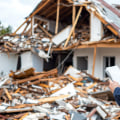
Understanding property dispute law is crucial for anyone involved in real estate transactions or property ownership. This area of law encompasses the legal principles and regulations that govern the ownership, use, and transfer of property. By grasping the fundamentals of property disputes, individuals can better navigate potential conflicts and take proactive measures to prevent them from arising. Property disputes can stem from various issues, including boundary disagreements, easement rights, and landlord-tenant conflicts. These disputes not only create tension between parties but can also lead to costly legal battles.
Therefore, having a solid understanding of the legal framework for property disputes is essential. It allows property owners to recognize their rights and responsibilities, ensuring they are well-prepared to address any challenges that may come their way. Moreover, being informed about property dispute law empowers individuals to implement preventive strategies. For instance, clear communication with neighbors regarding property lines or formalizing agreements in writing can significantly reduce misunderstandings. By establishing a strong foundation of knowledge about property rights and dispute resolution mechanisms, individuals can foster a more harmonious living environment and protect their investments.
Clear Communication with Co-Owners
Effective communication among co-owners is crucial in preventing property disputes.When multiple parties share ownership of a property, misunderstandings can easily arise, leading to conflicts that may escalate into legal battles. To mitigate these risks, establishing clear lines of communication from the outset is essential.
Co-ownership agreements
serve as a foundational tool in this regard. These agreements should outline each owner's rights and responsibilities, including how decisions will be made regarding the property. By having a written document, all parties can refer back to the agreed terms, reducing the likelihood of misinterpretation.Best Practices for Communication
- Regular Meetings: Schedule periodic meetings to discuss any concerns or updates regarding the property.
This proactive approach allows co-owners to address issues before they escalate.
- Open Dialogue: Encourage an environment where all co-owners feel comfortable expressing their thoughts and concerns. This openness fosters trust and collaboration.
- Document Everything: Keep records of all communications and decisions made regarding the property. This documentation can be invaluable if disputes arise later.
- Set Clear Expectations: Clearly define each owner’s role and responsibilities in managing the property. This clarity helps prevent overlap and confusion.
Consider using shared platforms or apps designed for property management, which allow for real-time updates and discussions. By leveraging these tools, co-owners can stay informed and engaged, further reducing the potential for misunderstandings.Ultimately, prioritizing clear communication is a proactive strategy in property ownership that not only strengthens relationships among co-owners but also significantly diminishes the risk of disputes arising in the first place.
Establishing Written Agreements
One of the most effective ways to prevent a property dispute is by establishing written agreements that clearly outline ownership rights and responsibilities. These legal contracts serve as a foundation for understanding among all parties involved, reducing the likelihood of misunderstandings that can lead to conflicts.When drafting property ownership agreements, it is essential to include several key elements:- Identification of Parties: Clearly state the names and contact information of all parties involved in the agreement.
- Description of the Property: Provide a detailed description of the property, including its address, boundaries, and any relevant legal descriptions.
- Ownership Shares: Specify the percentage of ownership each party holds, which helps clarify financial responsibilities and rights to the property.
- Use and Maintenance: Outline how the property will be used and maintained, including responsibilities for repairs, improvements, and regular upkeep.
- Dispute Resolution: Include a clause that details how disputes will be resolved, whether through mediation, arbitration, or litigation. This proactive approach can save time and money in the event of a disagreement.
- Signatures: Ensure that all parties sign the agreement in the presence of a notary public to validate its legality.
They can provide guidance on local regulations and ensure that your agreements comply with applicable laws. By taking these steps to create comprehensive written agreements, you can significantly reduce the risk of property disputes arising in the future.
Regular Property Maintenance and Management
Regular property maintenance and effective management are crucial in preventing potential property disputes. By ensuring that a property is well-maintained, owners can uphold their rights and responsibilities, thereby minimizing the risk of conflicts with neighbors or tenants.1.Establish a Maintenance Schedule
- Creating a routine maintenance schedule helps in identifying issues before they escalate. Regular inspections can catch problems like leaks, mold, or structural damage early on.
- Documenting maintenance activities not only provides a record of care but also serves as evidence in case of disputes regarding property condition.
2.Communicate with Tenants and Neighbors
- Open lines of communication can prevent misunderstandings.
If tenants or neighbors are aware of ongoing maintenance work, they are less likely to feel inconvenienced or neglected.
- Encouraging feedback from tenants about property conditions can help address concerns proactively, fostering a cooperative environment.
3.Understand Local Property Laws
- Familiarizing yourself with property dispute law in your area can guide you in maintaining compliance with local regulations. This knowledge can prevent disputes related to zoning, noise, or property boundaries.
- Being aware of your legal obligations regarding property upkeep can protect you from liability claims that may arise from neglect.
4.Invest in Quality Repairs
- When repairs are necessary, opting for quality materials and professional services can ensure longevity and reduce the likelihood of recurring issues that could lead to disputes.
- Keeping receipts and warranties for repairs can also serve as proof of proper maintenance should any disagreements arise.
Understanding Local Property Laws and Regulations
Understanding local property laws and regulations is crucial for any property owner. These laws dictate how properties can be used, developed, and transferred, and being well-informed can significantly reduce the risk of disputes.One of the first steps in preventing a property dispute is to familiarize yourself with the specific property regulations in your area.This includes:
- Zoning laws: These laws determine how land can be used, whether for residential, commercial, or industrial purposes. Understanding zoning restrictions can help you avoid conflicts with neighbors or local authorities.
- Building codes: Local building codes set standards for construction and renovation. Ensuring compliance with these codes can prevent legal issues related to property modifications.
- Easements and rights-of-way: Knowing about any easements on your property is essential. These legal rights allow others to use a portion of your land for specific purposes, which can lead to disputes if not clearly understood.
Municipalities often revise regulations, and being proactive can help you adapt accordingly.Engaging with local real estate professionals or legal experts can also provide valuable insights into the nuances of property dispute law. They can guide you through the complexities of local regulations and help you understand your rights and responsibilities as a property owner.In summary, a thorough understanding of local property laws and regulations not only empowers you as a property owner but also serves as a strong foundation for preventing potential disputes. By being informed and proactive, you can safeguard your investment and maintain harmonious relationships with neighbors and the community.
Conflict Resolution Strategies
Preventing a property dispute from arising requires proactive measures and effective conflict resolution strategies. By addressing potential issues early, co-owners can maintain a harmonious relationship and protect their investment.Mediation Strategies
- Open Communication: Establishing a culture of open dialogue is essential.
Regularly discussing property-related matters can help identify concerns before they escalate.
- Set Clear Expectations: Clearly outline the responsibilities and rights of each co-owner in a written agreement. This can include maintenance duties, financial contributions, and usage rights.
- Regular Meetings: Schedule periodic meetings to review the status of the property and address any emerging issues. This proactive approach can prevent misunderstandings.
Negotiation Techniques
- Active Listening: When conflicts arise, practice active listening to understand the other party's perspective. This fosters empathy and can lead to mutually beneficial solutions.
- Collaborative Problem-Solving: Approach conflicts as a team.
Brainstorm solutions together rather than viewing each other as adversaries. This collaborative mindset can lead to innovative resolutions.
- Compromise: Be willing to make concessions. Finding a middle ground can often resolve disputes before they escalate into more significant issues.
FAQs About Preventing Property Disputes
When it comes to preventing property disputes, many homeowners and property investors have questions.Here are some of the most frequently asked questions regarding property dispute law and how to avoid conflicts.
What are the most common causes of property disputes?
Property disputes can arise from various issues, including:- Boundary disagreements: Disputes often occur when property lines are unclear or contested.
- Easement issues: Conflicts may arise over the right to use a portion of someone else's property.
- Title defects: Problems with the title can lead to ownership disputes.
- Lease disagreements: Issues between landlords and tenants can escalate into disputes.
How can I ensure clear property boundaries?
To prevent boundary disputes, consider the following steps:- Conduct a professional survey: Hire a licensed surveyor to accurately determine your property lines.
- Install clear markers: Use fences or other markers to delineate your property boundaries visibly.
- Communicate with neighbors: Discuss boundaries openly with adjacent property owners to avoid misunderstandings.
What role does a title search play in preventing disputes?
A thorough title search is crucial in identifying any existing claims or liens on a property. This process helps ensure that you are purchasing a clear title, which significantly reduces the risk of future disputes. Always consult with a real estate attorney to review the findings of the title search before finalizing any property transaction.Can mediation help in preventing disputes?
Mediation can be an effective tool for resolving potential conflicts before they escalate into formal disputes. Engaging a neutral third party can facilitate communication and help both parties reach an amicable agreement.This proactive approach not only saves time and money but also preserves relationships between neighbors or co-owners.By addressing these common questions and implementing preventive measures, you can significantly reduce the likelihood of encountering property disputes in the future.
Conclusion: Key Takeaways for Property Owners
In conclusion, preventing a property dispute is not only about understanding property dispute law, but also about taking proactive steps to safeguard your interests. By implementing the strategies discussed throughout this article, property owners can significantly reduce the likelihood of conflicts arising.Key Takeaways:- Clear Communication: Establish open lines of communication with neighbors and co-owners. Regular discussions can help clarify expectations and prevent misunderstandings.
- Written Agreements: Always document agreements in writing. Whether it’s a lease, shared maintenance responsibilities, or boundary agreements, having a written record can serve as a reference point in case of disputes.
- Regular Maintenance: Keep your property well-maintained.
Neglecting property upkeep can lead to disputes over property lines and shared responsibilities.
- Legal Consultation: Consult with a legal expert specializing in property dispute law when drafting contracts or if you foresee potential issues. Their expertise can help you navigate complex situations before they escalate.
- Community Engagement: Engage with your community. Being an active member can foster good relationships and create a supportive environment that discourages disputes.